Service and rates
Podcast production covers multitrack capture, edit, and loudness alignment. Rates: €110 per hour or €380 for a session (3 h incl. edit). Series with a fixed cadence benefit from quarterly planning — Contact or +43 1 546 78 90.
Hours Mon–Fri 10–19, Sat by appointment; address Stapelgasse 8, 1050 Wien. Podcast production: Jonas Erdmann — see About us.
Record multitrack, not a mono shortcut
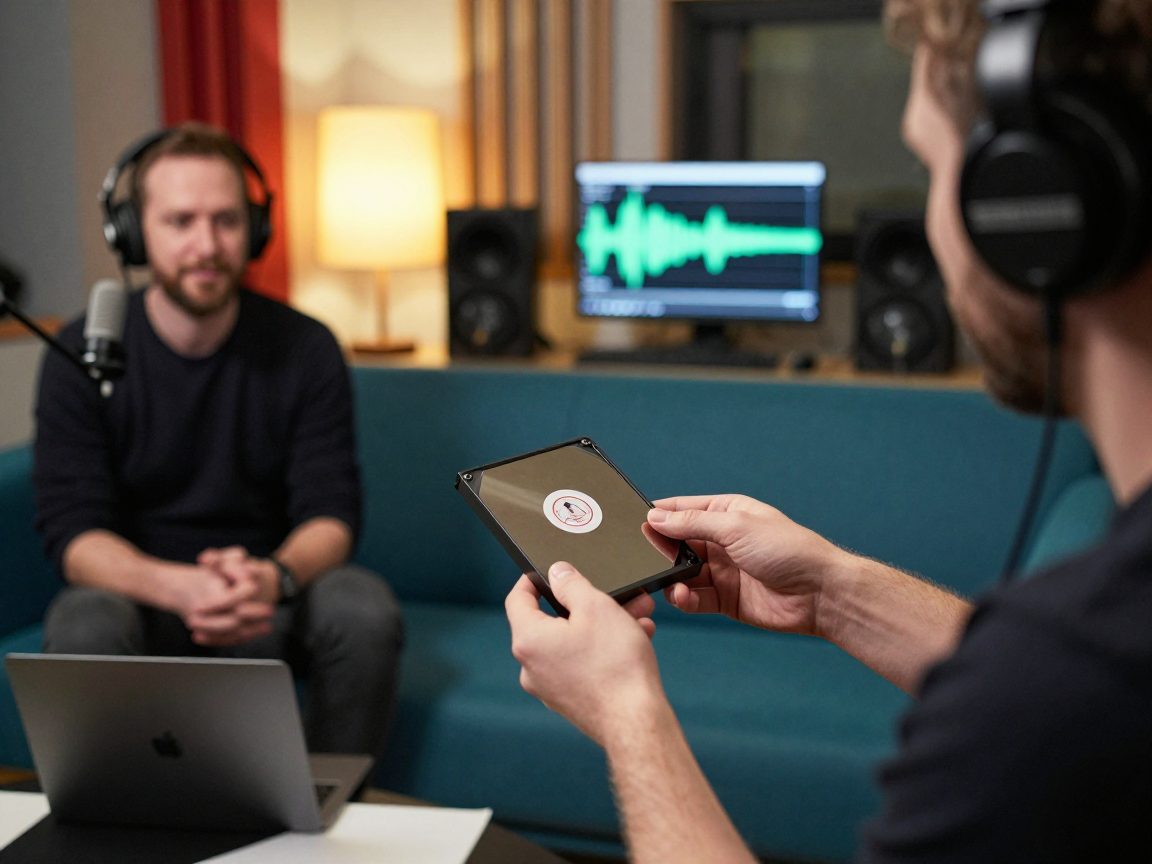
One voice per track, room and music separate — easier edits, de-essing, and chapter markers later. In Vienna we record at the table or route remote guests cleanly; hybrid still means the same level and room rules.
Before session: agenda set, intro/outro music cleared, rights documented (no unlicensed chart tracks as permanent bed). Unclear points: FAQ and Terms and conditions.
Speak at normal conversation level, don’t “project into the mic” — that cuts plosives and fatigue. Pop filter and distance are set here; if you read notes, avoid loud paper rustle or scroll digitally.
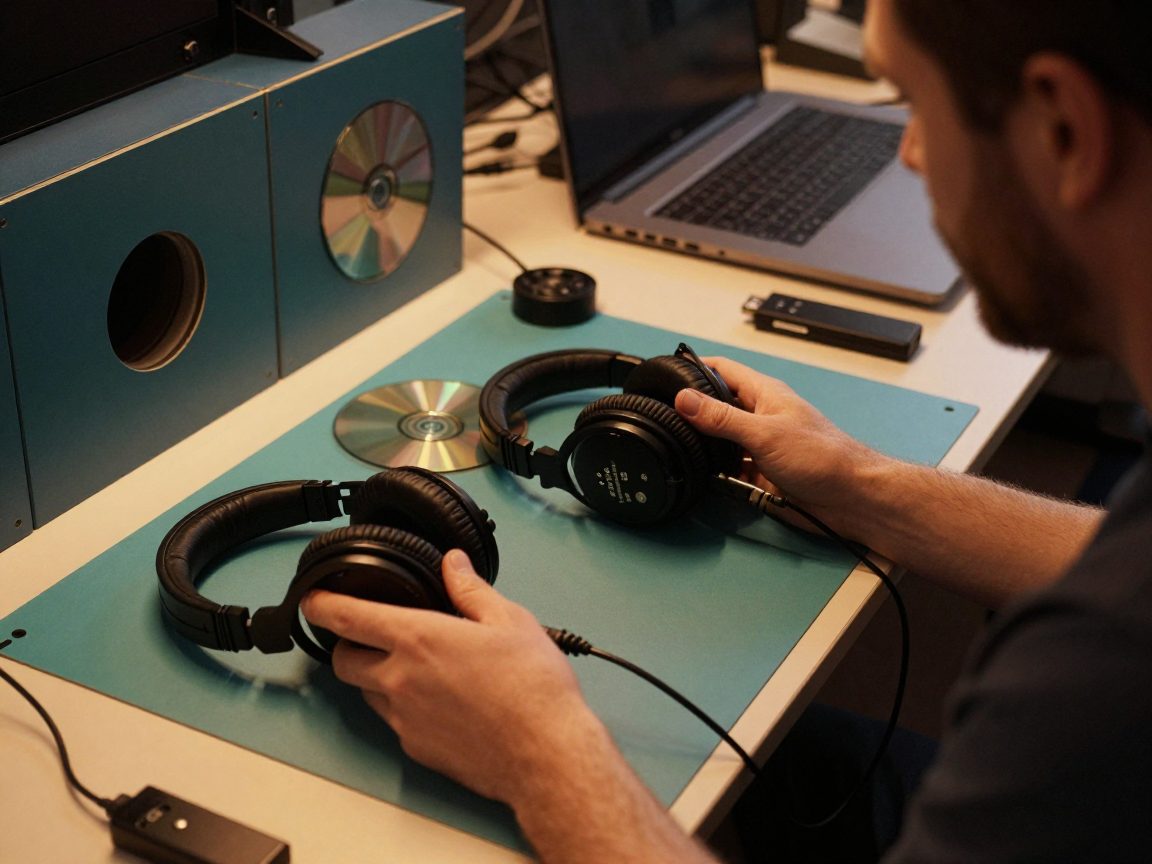
Allow setup buffer: cables, headphones, still drinks. The 18 m² lounge is there for short talks before and after recording.
Edit and chapters
We trim pauses, flubs, and false starts to your editorial line — conservative or tight. Chapter markers for Apple Podcasts and Spotify on request with timecodes from the master. You supply show notes text; we don’t log into your CMS.
2 feedback rounds mirror mix projects — batch change requests. Major rewrites are new scope.
Loudness targets in practice
For speech we align with common platform norms: integrated loudness often around −16 LUFS (stereo) for many publishers, true peak below −1 dBTP. Music-heavy shows may differ — name a reference. We document measured values in handoff.
Normalization doesn’t fix bad monitoring: quiet guests are raised in edit, not only slammed at the limiter. That keeps noise floor manageable.
If your host publishes loudness rules, send the link before session — we target export to that spec instead of guessing later. Interview dynamics are fine; ad blocks or jingle-heavy intros sometimes need tighter levels.
Formats for host and archive
| Use | Format | Note |
|---|---|---|
| Archive / further edit | WAV 48 kHz, 24-bit | Keep your backup |
| Host upload | MP3 320 kbps or WAV | Check host spec |
| Social clip | MP4 with audio or WAV | Export separately |
Filename: SHOW_E001_Title_2026-10-15.wav — show, episode number, short title, date.
Stereo, mono, and music
Speech often mono-compatible or narrow stereo; intro music full width. On mono downmix we check phase issues. Under voice we duck music dynamically, not only with a static fader — better intelligibility on transit and earbuds.
Remote guests: headset mic beats laptop mic when possible. Thirty seconds of room tone before content helps denoise later — only when quality warrants it.
Handoff and privacy
Episodes via encrypted download or physical media by agreement. Project retention 24 months at Noelpulse. Guest personal data only with consent — Privacy policy and optional Data processing agreement for corporate shows.
Cookie choices on this site: .
Related guides
After the episode you may need Mastering for music beds or Mastering delivery formats. Talk segments benefit from Prepare your voice. Book via Contact — typical reply within 2 business days.
Recurring shows work best with a series checklist: same intro length, consistent room tone reference, fixed export template. Season two then matches season one without reinventing each episode. For sponsor reads, use a separate track or clearly marked section — easier cut-downs later without re-recording.